
How Many Hours a Week Do You Need to Build an Online Income?
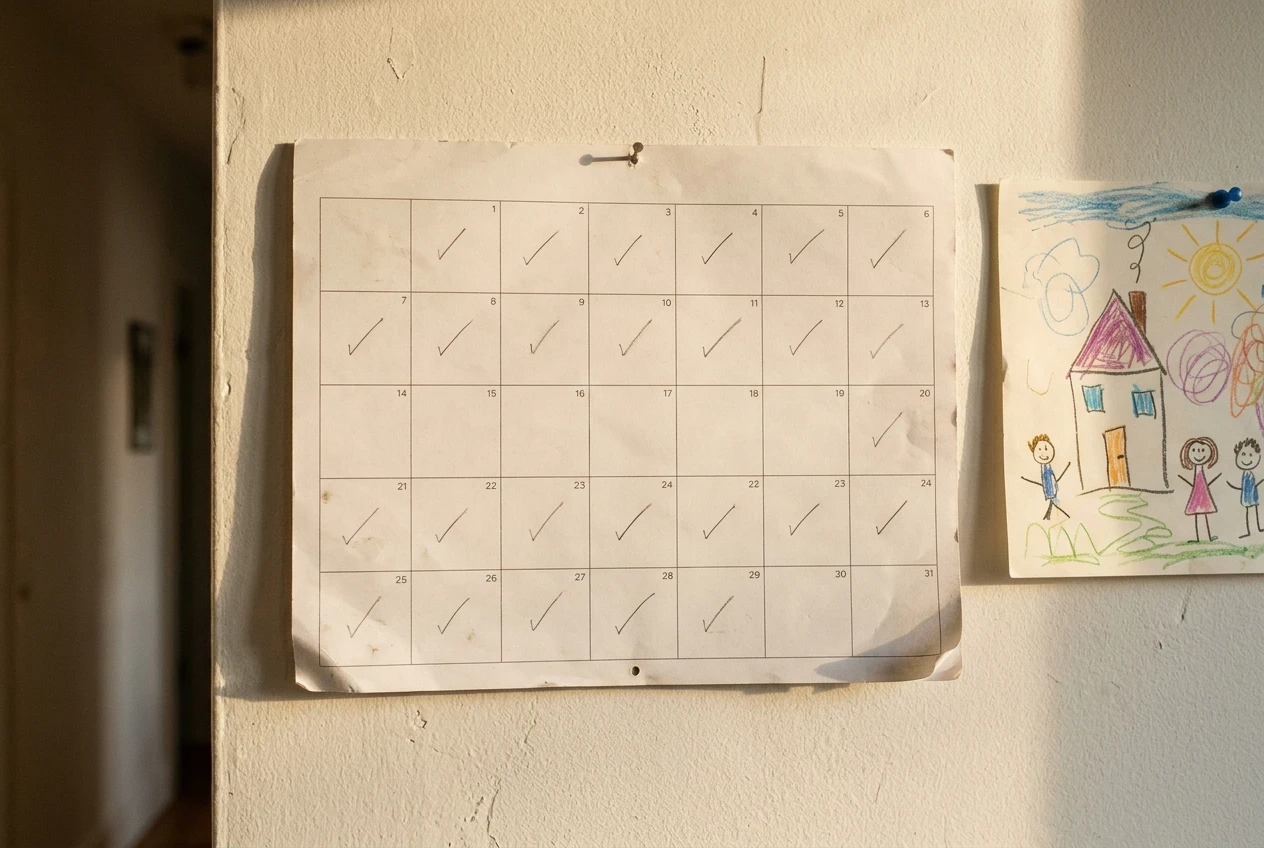
If you have a job and a family, the first question about starting an online business is usually how much time it will take out of a week that is already full. Nobody can give you one exact number, but you can get a realistic range and work out which end of it fits your life.
This article covers how many hours a week to build an online income, what different amounts of time can cover, where those hours go, and how to find them. It says nothing about how long until money arrives. That is a separate question, and the honest answer on timelines has its own article.
Why the honest answer is a range, not one magic number
Anyone who gives you a single figure is guessing about your situation. Your starting skills, your energy after work, how fast you pick up new tools and what you are building all change what an hour can do.
A more useful way to think about it is in tiers. Around 5 hours a week is a workable minimum for a beginner. Somewhere between 10 and 15 hours is a comfortable push for people who can spare it. Below about 3 hours, sessions tend to be so short that you spend much of each one remembering where you stopped.
Hours also don’t equal results. They equal completed work: lessons finished, pages built, posts published. Whether that work leads to income depends on many other things, and no number of hours guarantees it. What you can control is how much work gets done and how consistently.
What a 5-hour week actually looks like when you are brand new
Five hours is roughly 45 minutes a day for six days, or a few longer sessions. Here is one example of how it might be split:
- Two evening sessions of 90 minutes each
- One weekend block of 2 hours
That adds up to five hours, and it is enough to make visible progress each week. In the first weeks, most of that time goes to learning and setup: understanding the basics, choosing a direction, getting your site in place. If you are still deciding what to build around, the guide on how to choose a niche when you’re brand new can shorten that stage.
At this pace you will move more slowly than someone with three times the hours. That is a fact about volume. Over a month you put in about 20 hours, and over a year about 260. A beginner who keeps that up has done a meaningful amount of work in a year.
The main risk at 5 hours is fragmentation. If the time comes in 20-minute scraps, a lot of it goes to switching tasks. Try to keep at least a couple of your sessions to an hour or more, so you can finish something in a sitting.
What a 10 to 15 hour week changes (and what it doesn’t)
Doubling or tripling your hours changes your pace. You can learn a skill and use it in the same week, and you can publish more often. Mistakes also show up sooner, which helps, because you find out what needs fixing while the material is still fresh.
Here is what more hours do not change:
- Quality still depends on practice. Your tenth article will be better than your first whatever your weekly total.
- Results still take time to appear. Content needs to be found, and that doesn’t speed up because you worked a long week.
- Your energy has a limit. Fifteen hours squeezed out of sleep and family time often falls apart within a month.
For most people with a job and children, 10 to 15 hours is only sustainable if some other part of life gives way, such as a standing commitment or a few evenings of television. That can be worth it, but make the trade on purpose and check it again after a few weeks. A steady 6 hours beats a 14-hour week you abandon.
Where your weekly hours go: learning, building, publishing
Online work for a beginner breaks into three kinds of time. The balance between them shifts as you go.
Learning
This is where you understand how things work: how a website is set up, how people find content through search, how affiliate promotion works. In the early weeks it takes most of your hours. A common mistake is to stay in this mode too long. Reading about publishing feels productive and is much less risky than publishing, so it can quietly absorb every hour you have.
Building
Building covers setting up your site, choosing a theme, writing the pages every site needs and planning your content. If you are unsure what the technical side involves, do you need a website to start online explains it in plain terms. Building is usually a front-loaded cost. It takes real time at the start and less as the structure settles.
Publishing
Publishing means writing and releasing content regularly. Over the long run this is where most of your time ends up, because it repeats every week. A site grows through the pieces you put on it, not through the setup.
A rough split for a 5-hour week in the early stage might be 3 hours learning, 1.5 hours building and half an hour publishing. A few months later it might be closer to 1 hour learning, 0.5 hours on maintenance and 3.5 hours publishing. Treat these numbers as an illustration of the direction, not a rule. The point is that your hours should drift toward producing things.
How to find the hours when your week is already full
Nobody has five empty hours lying around. You find them by looking at what the week actually contains and moving things.
- Track one ordinary week. Jot down what you do in rough blocks. Most people find a few pockets that are neither rest nor obligation, such as scrolling, television on in the background or a long lunch break.
- Claim fixed slots, not “free time”. Free time disappears the moment something comes up. A slot such as Tuesday and Thursday from 8:30 to 10:00 in the evening goes in the calendar like an appointment.
- Use the edges of the day. If your household is quiet before everyone wakes up, 45 minutes then may be worth more than two hours at night when you are tired.
- Match tasks to energy. Save writing and building for your alert hours. Use low-energy time for easier jobs like watching a lesson, organizing notes or planning your next post.
- Tell the people at home. A short conversation about what you are doing and when you will be busy prevents a lot of friction. Time that your family has agreed to is time you can use without guilt.
Many people also find that giving up one regular habit for a few hours a week is easier than trying to squeeze time out of everything. Choose the one that costs you the least.
Why steady weeks beat one big weekend, and what to do when you miss a week
A single 10-hour Saturday and five 2-hour sessions add up to the same total. The spread-out version usually produces more. You come back to the work several times, ideas settle between sessions, and the habit of sitting down to work stays alive. After a long gap, you spend the first part of the next session finding your place again.
A big weekend also tends to be followed by a drained week. If the pattern becomes work hard, burn out, skip, repeat, you may end up with fewer total hours than a modest steady schedule would have given you.
You will miss weeks anyway. Children get sick, work gets busy, travel happens. When it does:
- Don’t try to repay the missed hours. Doubling up the next week is how a one-week gap becomes a burnout.
- Do one small task as soon as you can. Even 30 minutes restarts the habit.
- Look at why it happened. If one slot keeps failing, move it. If the whole number is too high, lower it. A smaller target you keep is better than a bigger one you don’t.
Missing a week is an ordinary event, and the plan should be able to absorb it.
How to pick your own number and start this week
Pick a weekly number you could hit even in a poor week. Start from what your calendar showed you, not from what sounds impressive. For most beginners with a job and family, that is somewhere between 4 and 8 hours. If you are unsure, choose the lower figure and raise it later once you have a few steady weeks behind you.
Then write down the specific slots. “Five hours a week” is a wish, while “Monday and Wednesday evenings plus Saturday morning” is a plan. Decide, too, what your first session is for, so you don’t spend it deciding what to do.
For your first few weeks, treat the hours as an experiment. See how they feel, whether the slots hold, and whether your energy matches the tasks you assigned. Adjust after two or three weeks, not after one.
Pick your weekly number, then start with the free Starter membership at Wealthy Affiliate and use your first week to see how the hours feel in practice. When you want to understand the timeline side of the question, read how long until you make your first dollar online.
Related Post