
Costa del Sol or Costa de la Luz? Choosing Southern Spain for a Luxury Golf Trip After 40
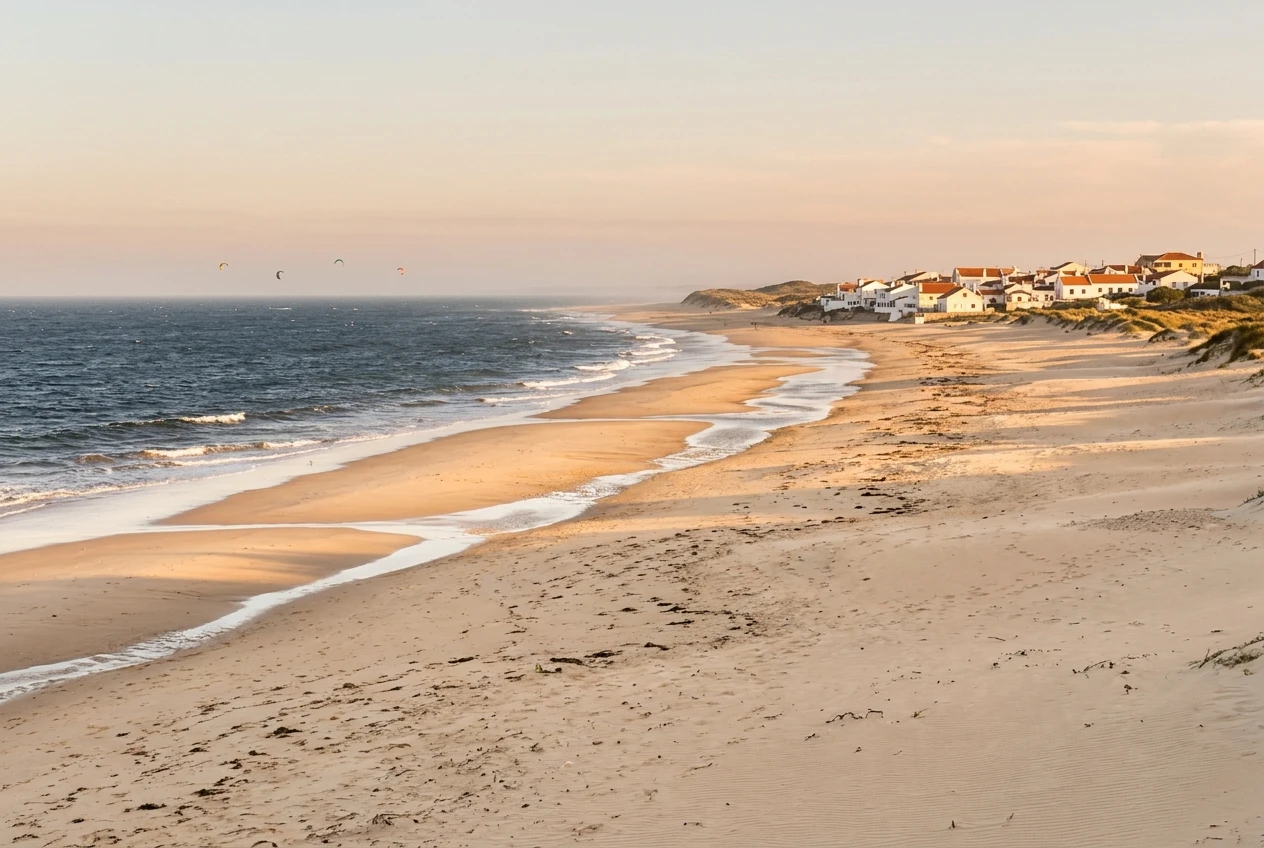
Southern Spain gives golfers two very different coasts within a few hours of each other. Costa del Sol is the established golf coast, with dense resort infrastructure, a long dining and nightlife scene, and plenty of courses within a short drive of wherever you sleep. Costa de la Luz faces the Atlantic, has more open space and fewer crowds, and runs at a slower pace.
If you are deciding between them for a milestone trip, two questions settle most of it: what kind of resort do you want to wake up in, and how much of your first day do you want to spend in a car? This guide works through both.
Two coasts, two moods
Costa del Sol runs along the Mediterranean from Málaga toward Gibraltar, and it is built for visitors. Marbella, Estepona and the stretch around Sotogrande have spent decades catering to travelers who expect polish: beach clubs, marinas, tasting-menu restaurants and golf courses clustered close together. The coast is sometimes called the Costa del Golf for that reason. It feels busy, social and well organized.
Costa de la Luz sits to the west, on the Atlantic side of Cádiz province and further along toward Huelva. The beaches are long and wide, the towns are smaller, and the light is a strong feature of the place. The atmosphere is more Spanish than international, with whitewashed villages, seafood bars and fewer high-rise developments. Fewer resorts exist, and fewer golfers are on the road.
Neither mood is better. One suits a group that wants options every evening, and the other suits a group that wants to play, eat well and sleep without noise.
What a luxury golf resort looks like on each coast
On Costa del Sol, luxury usually means scale and range. Expect large five-star properties with full spas, several restaurants, multiple pools and a concierge desk that can arrange anything from tee times to a table in town. Many sit within a short drive of several courses, so a group can vary its rounds without changing hotels. The trade-off is that a large resort can feel busy, especially in peak weeks.
On Costa de la Luz, the resorts tend to be built around a golf property or a stretch of beach, with more room around the buildings. Rooms often look onto fairways, pine woods or the ocean rather than a marina. You will find fewer properties to choose from, so the decision is simpler, but you should check each one’s facilities rather than assume a spa or a range of restaurants.
Questions worth asking any resort on either coast:
- Is the on-site course included in the package, and how far ahead must other tee times be booked?
- How many other courses are within a 20 to 30 minute drive?
- Does the resort run its own transfers to the course and to the airport?
- Which rooms face the course or the sea, and do they cost extra?
Getting there and getting around
For Costa del Sol, Málaga airport is the gateway. It has a wide range of international flights, and the road to Marbella and the western resorts is a motorway drive that usually takes under an hour outside of traffic. Estepona and Sotogrande are further along. Confirm exact times with your transfer provider for the resort you choose, since traffic along the coast varies by season and hour.
Costa de la Luz is served by Jerez airport and by Seville, with Faro in Portugal a realistic option for the western end near Huelva. Flight choice is narrower than at Málaga, so check your departure city’s routes before you fall for a resort. Drive times from the airport to the coast are generally longer and more varied than on Costa del Sol, and the distances between towns can be greater.
Do you need a car? On Costa del Sol, a private transfer plus the resort’s shuttle often covers a golf week, because courses are close together and the resort concierge books taxis easily. On Costa de la Luz, a rental car or a driver on call gives more freedom, since courses, beaches and restaurants are more spread out. A group of four or more often finds a driver cheaper per head than several taxis, but compare actual quotes rather than assume.
How a golf week unfolds on Costa del Sol
A typical day here starts with a morning round, a long lunch at the clubhouse or on the beach, and an evening that can go in several directions. Marbella’s old town, Puerto Banús and the coastal restaurants give a group plenty of choice, from relaxed tapas to formal dinners. If your group enjoys a lively evening, this coast has more of it than any other in Spain.
It also works well for travelers whose partners do not play. Shopping, beach clubs, spa days, old-town walks and day trips to white villages in the hills are all easy to arrange. A non-golfing partner will have a full week without needing a car or a plan.
The pace is brisk, though. Popular courses fill up, restaurants need reservations in busy weeks, and the roads are crowded at certain hours. Book tee times and dinners early, and leave one afternoon with nothing planned.
How a golf week unfolds on Costa de la Luz
Days here move more slowly. A round in the morning is followed by a long beach lunch of fried fish, prawns or locally caught tuna, then an afternoon on a wide stretch of sand. Evenings tend to be quiet: dinner in a small town, a walk along the water, an early night before the next tee time.
The region rewards curiosity. Cádiz is one of the oldest cities in Western Europe and is worth a half-day, and Jerez is the home of sherry, with bodegas that welcome visitors. Both are within reach of the main resort areas, though you should check driving times for your base.
Non-golfing partners who like walking, food, beaches and history will enjoy it. Those who want boutiques, nightclubs and a social scene may find it too quiet. The space is the attraction, and it is not for everyone.
Best season, weather and wind
Spring and autumn are the most comfortable seasons on both coasts for golfers who prefer to play in mild conditions, and they are popular for that reason. Summer is hot, so morning tee times matter, and winter can be pleasant for a break from northern weather but is less predictable. Check the forecast and the average conditions for your exact dates rather than relying on general reputation.
Wind deserves particular attention on Costa de la Luz. The Atlantic coast, especially toward the Strait of Gibraltar, is known for strong winds, and the levante, an easterly wind, can affect play, comfort on the beach and even the look of the course. A windy day changes how a course plays and how far you hit it. Costa del Sol is usually more sheltered, though wind can still arrive.
Before you choose dates, check these:
- Average conditions for the specific month, not the season.
- Whether the resort’s courses are overseeded or closed for maintenance.
- School holiday and festival weeks, which raise prices and fill tee sheets.
- Daylight hours, which affect how late you can play and how early you must start.
Which coast suits which golfer
Costa del Sol suits:
- A group of friends who want golf in the day and a lively evening.
- Couples where one partner does not play and wants plenty to do.
- Travelers who want a large, full-service resort and short transfers from a major airport.
- Anyone who wants to play different courses each day without changing hotels.
Costa de la Luz suits:
- Golfers who prefer space, quiet and an unhurried week.
- Couples who enjoy food, beaches and small towns over nightlife.
- Travelers who are happy to hire a driver or rent a car for more freedom.
- Repeat visitors to Spain who have already done Costa del Sol and want something different.
If your group is split, Costa del Sol is usually the safer compromise, because it offers more for people who do not want to play every day.
Pairing Spain with Portugal
The western end of Costa de la Luz sits close to the Portuguese border, which makes a two-country trip practical. A week split between Huelva’s coast and the Algarve lets you play in both countries, and Faro airport can serve either end. If you are considering it, our guide to luxury golf in the Algarve covers where to stay and when to go, and the Portuguese leg is easier to plan once you have settled the transfers.
Costa del Sol and the Algarve are also possible together, but the distance is longer, so the trip needs more time on the road. Decide whether the extra travel is worth it before you add a country. For a first Spanish golf trip, one coast played well usually beats two played in a hurry.
Choosing and booking
Start with the resort, since it shapes the rest of the week, then work out the airport and transfer, then fit the courses around it. Compare golf packages and tee time options for both coasts through our booking partners, then shortlist the resort and dates that fit your group before you commit.
Related Post
Portugal or Scotland for Your Bucket-List Golf Trip? A Decision Guide for Golfers Over 40
Both countries deliver a bucket-list golf trip, but they suit different golfers. [...]